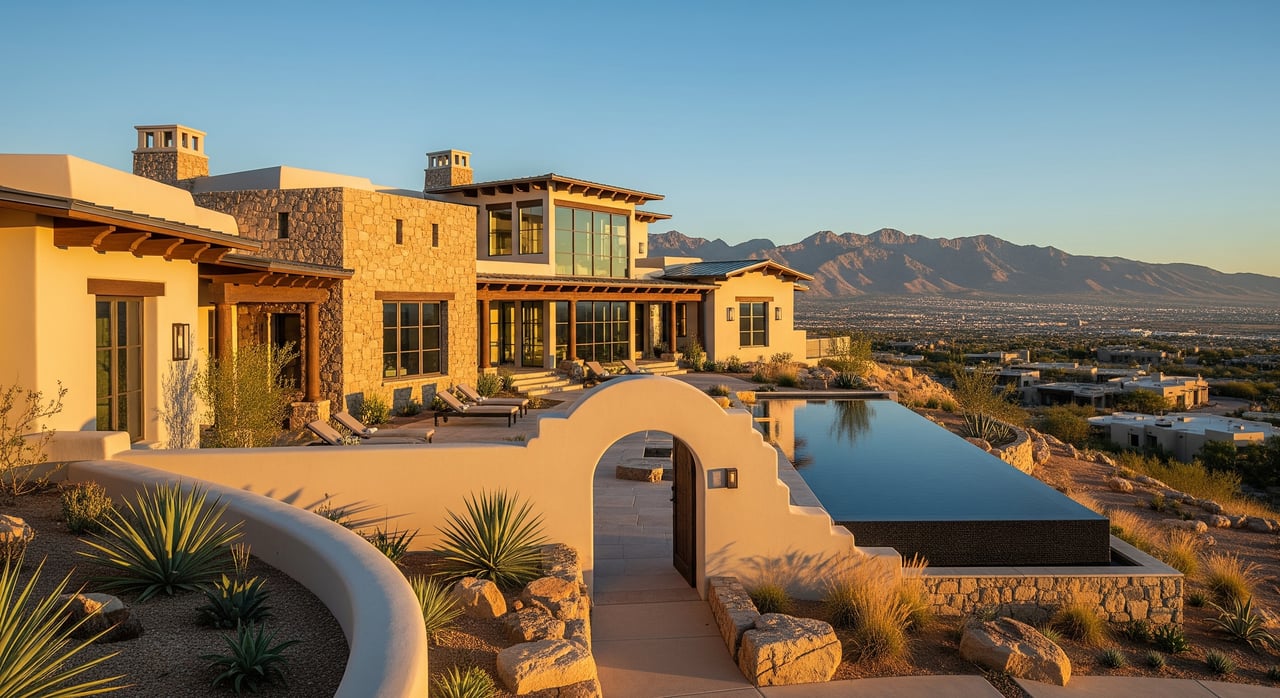
Do you ever drive through Upper Mesa Hills and wonder what style each home is and what it means for your lifestyle and budget? You are not alone. The neighborhood spans several decades of development, which is why you see Spanish-influenced stucco, classic ranch layouts, and newer transitional builds side by side. In this guide, you will learn how to spot the most common home styles, what to expect from lots and interiors, and the key inspection and renovation items to consider before you buy. Let’s dive in.
Upper Mesa Hills at a glance
Upper Mesa Hills sits on the west side of El Paso on a raised mesa. Many properties enjoy elevated views of the city and the Franklin Mountains. The terrain creates a mix of flat and sloping lots, along with retaining walls and terraced yards.
Development happened in several waves from the late 20th century into the early 21st. You will see older tract and custom homes, plus more recent infill and remodels. Because the area evolved over time, each block can feel a little different in style and floor plan.
If you plan to renovate or want to understand a home’s history, check permit records with the City of El Paso Planning & Inspections Department and parcel details with the El Paso County Appraisal District. Some sections may have HOAs or architectural review, so confirm deed restrictions or HOA documents for a specific subdivision.
How to spot common home styles
Upper Mesa Hills reflects regional Southwestern design along with classic suburban Texas forms. Here is how to recognize what you are seeing.
Southwestern or Spanish Revival
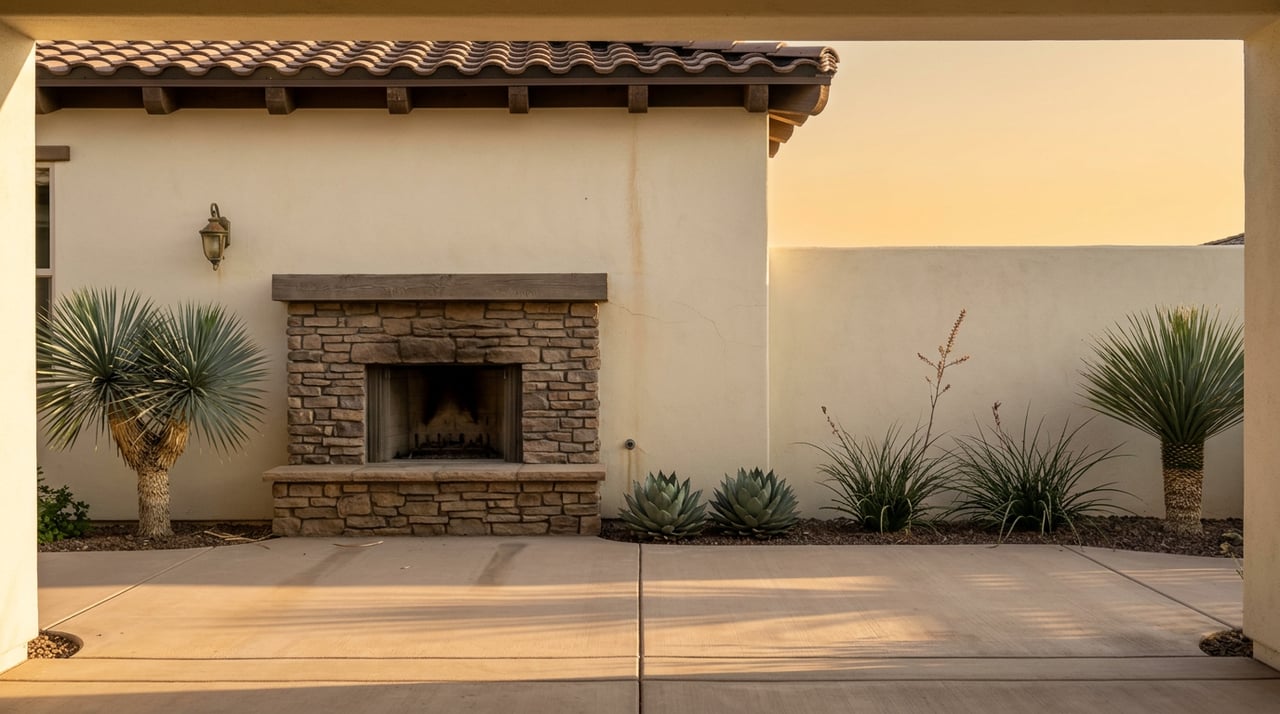
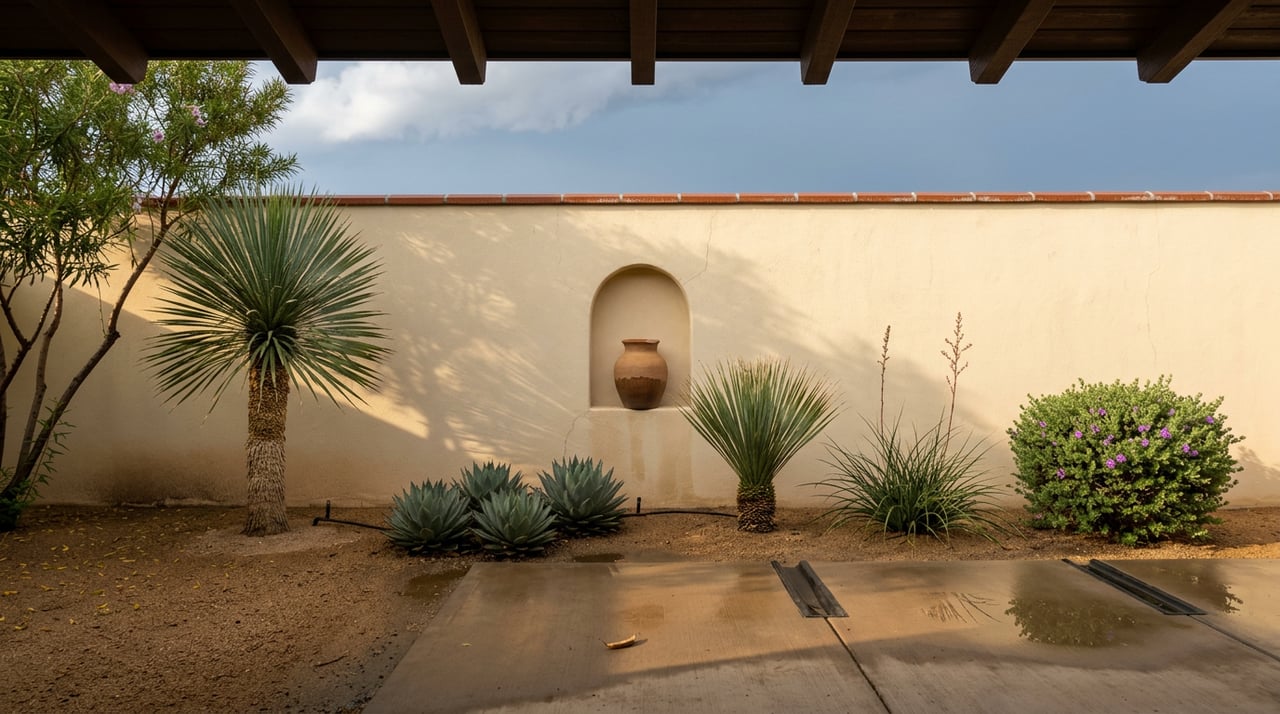
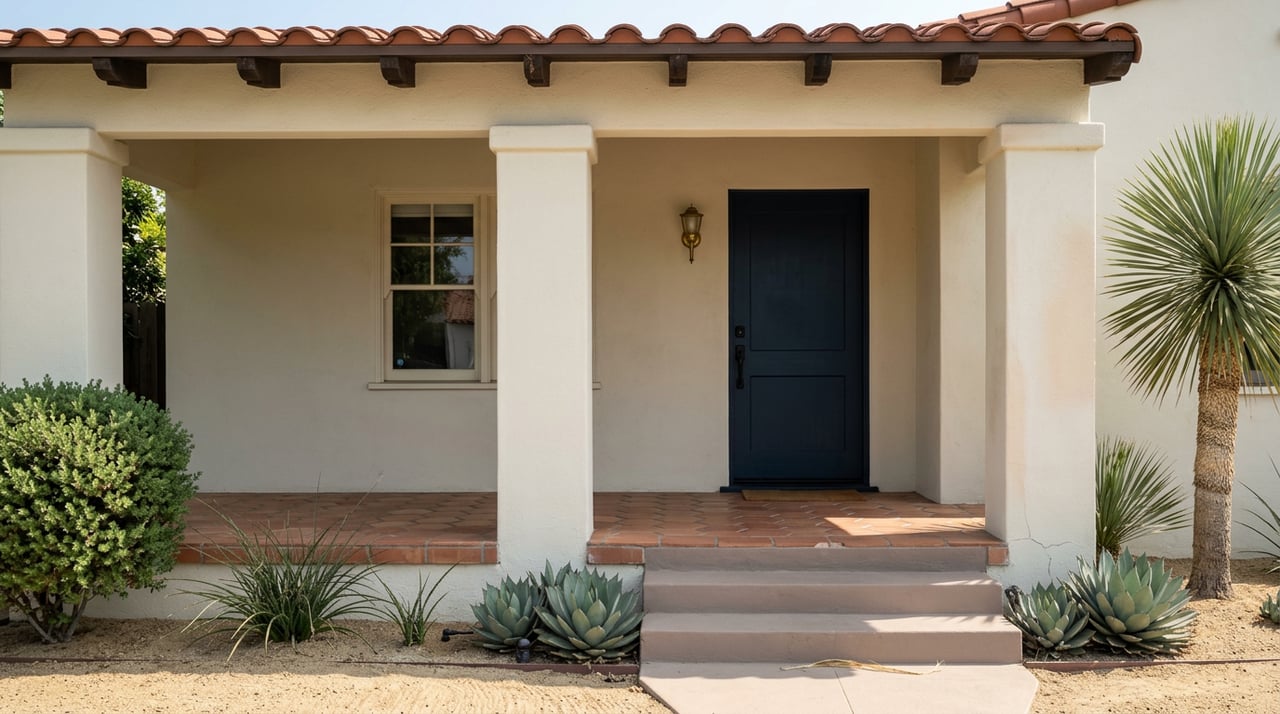
- Exterior cues: stucco walls, clay tile or low-pitched roofs, arched openings, wrought-iron accents, small balconies, courtyards or recessed entries.
- Interior cues: arched doorways, plaster walls, saltillo or ceramic tile floors, heavy wood doors and beams.
- Why it fits here: stucco and tile perform well in the arid climate and reflect regional history.
What to love: courtyards, shaded entries, and timeless curb appeal. What to check: stucco condition, roof flashings, and moisture management.
Ranch and Contemporary Ranch
- Exterior cues: single-story or split-level, long horizontal profile, low to medium roof pitch, prominent attached front garage, large windows.
- Interior cues: single-level living, informal zones, and easy indoor-outdoor flow to the rear yard.
- Why it fits here: this is a classic form tied to 1970s through 1990s suburban growth.
What to love: main-level bedroom options and usable backyard access. What to check: original windows, roof age, and whether older compartmentalized rooms have been opened up.
Transitional and Neo-Eclectic
- Exterior cues: mixed materials such as stucco, stone veneer, and brick accents; varied rooflines; two-story plans with front gables or porticos.
- Interior cues: larger kitchens and primary suites, more open plans typical of late 1990s to 2010s homes.
- Why it fits here: many later-phase or infill builds adopted contemporary suburban layouts.
What to love: modern amenities and space planning. What to check: quality of materials and any additions or remodel permits.
Mid-Century and Modern Elements
- Exterior cues: simple geometric forms, larger expanses of glass, flat or low-pitched roofs, minimal ornamentation.
- Interior cues: open plans, clerestory or floor-to-ceiling windows, original mid-century finishes if not updated.
- Why it matters: though less common, pockets of mid-century and modern influence appear in west-side neighborhoods, including Upper Mesa Hills.
What to love: natural light and clean lines. What to check: window efficiency, roof details, and any vintage materials that might need replacement.
Custom or Blended Styles
Many homes combine elements, such as a clay tile roof over a ranch footprint or a modernized interior behind a traditional stucco exterior. Treat each home individually, and use the cues above to understand what you are buying.
Quick ID tips at the curb
- Roof material and pitch tell you a lot: tile and low-pitched forms often suggest Spanish-influenced design, while asphalt shingles and gabled forms are common in ranch and transitional homes.
- Stucco is common across the Southwest. A detailed inspection can help distinguish traditional stucco from synthetic systems.
- Prominent front garages and single-story massing can signal ranch-era construction, while arches, courtyards, and decorative ironwork often point to Spanish or Mediterranean influence.
Lots and outdoor features to expect
The mesa terrain shapes how lots live and what you should verify during due diligence.
Topography and shape
- Many parcels are sloped, with some homes on flat plateaus and others stepping down to the rear or side.
- Cul-de-sacs and curvilinear streets are common, and you will find irregular lots near ridgelines.
What it means for you: sloping lots can deliver big views but may require extra attention to drainage and foundation performance.
Setbacks and sizes
- Lot sizes vary from modest suburban parcels to larger custom sites at higher elevations.
- Always confirm dimensions and setbacks using plat maps or appraisal district records. Do not assume uniform sizes across the neighborhood.
Common outdoor amenities
- Rear patios, covered porches, and built-in grilling areas for outdoor living.
- Private pools are more common in higher-value or custom homes. Ask for pool permits and recent service or repair records.
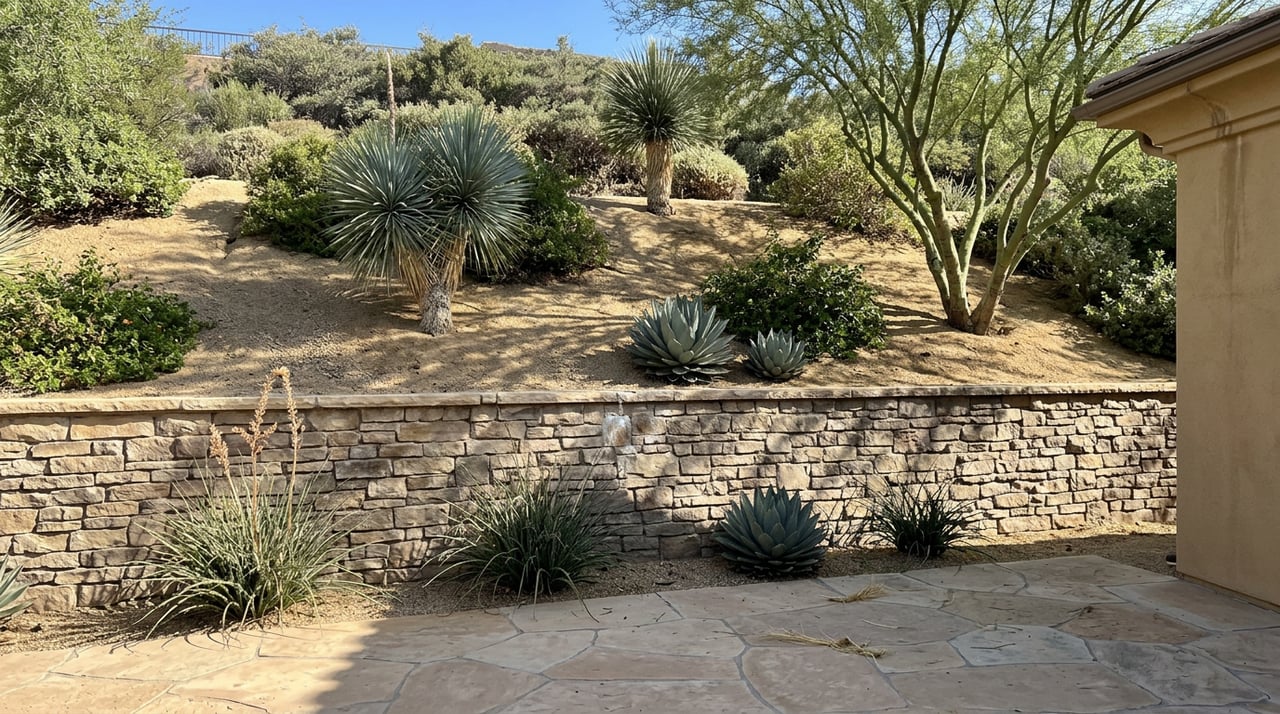
- Retaining walls, terraced yards, and rock landscaping appear where the terrain changes.
Drainage and retaining walls
- On sloped sites, improper grading or failing walls can lead to soil movement. Look for cracks, leaning walls, washed-out landscaping, and blocked drains.
- Confirm where downspouts discharge and whether any shared drainage easements exist. Surface runoff disputes can occur in hilly areas.
Views and sun exposure
- West-facing views are a draw and can influence solar gain. Consider HVAC sizing and window treatments if you prioritize sunset and mountain vistas.
Interiors and systems you will see
Because Upper Mesa Hills includes older and newer homes, interior finishes and mechanical systems can vary a lot from house to house.
Floor plans and flow
- Both single-story ranch and two-story layouts are common.
- Main-level primary suites appear in many suburban and custom homes.
- Older homes may retain formal living and dining rooms, while newer or remodeled homes tend to open these spaces into a combined living-kitchen area with larger islands.
Finishes and materials
- Flooring often includes ceramic or porcelain tile and carpet. You may also see saltillo tile, stone tile, or hardwood in higher-end or remodeled homes.
- Walls and ceilings are typically plaster or drywall with textured finishes. Exposed wood beams are a frequent Southwestern design element.
- Kitchens range from original builder packages with laminate counters and oak cabinetry to remodels featuring granite or quartz counters, shaker-style cabinets, and stainless appliances.
Mechanical systems and energy items
- Central forced-air HVAC is the norm. Heat pump or gas furnace setups vary by age and upgrades.
- Older homes may have minimal insulation and single-pane windows. Energy improvements often include added insulation, double-pane windows, and reflective roof coatings.
- Water heaters are typically tank-type gas or electric, with some renovations opting for tankless.
Utility access
- Note the location and condition of meter boxes, sewer clean-outs, and gas lines. On sloped lots, sewer flow and access can be influenced by grade.
Renovation and maintenance priorities
When you evaluate a home or plan updates, keep these common projects in mind.
Typical age-related needs
- Mid-to-late 20th-century homes may be ready for replacements of roofing, windows, HVAC, and water heaters if originals remain.
- Cosmetic remodels are common. Confirm whether work required permits and whether those permits were obtained and closed.
Common upgrades in Upper Mesa Hills
- Roof replacement or re-roofing, including attention to flashings and valleys.
- Stucco repair and exterior moisture management to prevent water intrusion.
- HVAC and ductwork upgrades to improve cooling performance in El Paso’s climate.
- Window and door upgrades to double-pane low-E for energy performance.
- Plumbing updates from older materials to modern copper or PEX, plus sewer lateral assessments.
- Electrical improvements for modern loads, including service panels and grounding.
Structural and site-specific checks
- Foundation movement risks can increase with poor drainage or failing retaining walls on sloped lots.
- Verify that retaining walls were permitted and built correctly, and assess any later modifications.
- Confirm grading slopes away from the foundation and that erosion controls are in place.
Permits, codes, and timelines
- Many interior and exterior renovations require permits from the City of El Paso. Unpermitted work is a red flag and can lead to lender or inspector requirements.
- Pool work, major site changes, and mechanical replacements must meet code and safety standards.
- Timelines vary: HVAC or water heater replacements can take days to weeks, while roof, stucco, and structural projects may be seasonal or require engineering.
Recommended inspections
- General home inspection by a licensed professional
- Termite and pest inspection
- Roof inspection
- HVAC evaluation
- Sewer scope
- Pool inspection if applicable
- Structural or engineering consult if movement or wall issues are suspected
- Stucco or moisture specialist when water intrusion is a concern
A quick buyer walk-through checklist
Use this list during showings and before writing an offer.
- Observe lot slope, retaining walls, and any visible cracking in stucco or chimneys.
- Peek in cabinets and closets for water staining or pest activity.
- Run faucets and test drains. Note water pressure and hot water delivery.
- Check the electrical panel label and condition. Look for older panels or substandard wiring.
- Ask about ages and service records for the roof, HVAC, water heater, and major appliances.
- Confirm if renovations were permitted and request documentation.
- Note the home’s orientation for views and solar exposure at different times of day.
How to verify the details
Before you close, verify the basics that affect value and safety.
- Check permit history, zoning, and code questions with the City of El Paso Planning & Inspections Department.
- Confirm parcel data, building age, and tax records with the El Paso County Appraisal District.
- Review HOA documents or deed restrictions if a property falls within a subdivision that requires them.
- Consult licensed inspectors and specialty contractors when you see potential issues with roofs, stucco, pools, or retaining walls.
Ready to tour Upper Mesa Hills?
Every home on the mesa tells a different story. By learning how to identify styles, read the lot, and understand interior systems, you can focus on the properties that truly fit your needs. If you want a local guide who knows Upper Mesa Hills block by block and can help you verify the right details, reach out to the Longenbaugh Group. We pair family-first service with market-savvy advice to make your move smooth and confident.
FAQs
What defines Southwestern or Spanish Revival homes in Upper Mesa Hills?
- Look for stucco walls, clay tile or low-pitched roofs, arched openings, wrought-iron details, and courtyards outside, plus arched doorways and tile floors inside.
Are private pools common and what should I check as a buyer?
- Pools appear more often in higher-value or custom homes; request permits, recent service records, and a dedicated pool inspection to assess equipment and safety.
How do sloped lots affect drainage and foundations in Upper Mesa Hills?
- Slopes can create amazing views but require correct grading and sound retaining walls; look for cracks, leaning walls, and runoff channels, and get expert evaluations.
What interior systems may need upgrades in older Upper Mesa Hills homes?
- Older properties may need new HVAC, windows, insulation, and water heaters; electrical and plumbing upgrades are also common to meet modern performance.
How do I confirm whether past renovations were permitted in El Paso?
- Ask the seller for permit records and verify with the City of El Paso Planning & Inspections Department; unpermitted work may require corrective action before closing.