Ask a first-time buyer what worries them most about a 1920s bungalow in Kern Place, and most say the same thing: the historic designation. They picture a design review board vetoing their kitchen remodel, a stack of permits, a neighbor reporting an unapproved paint color. It is a reasonable fear for a neighborhood this old. It is also, for most Kern Place addresses, not the thing that will actually cost you money.
Walk through the listings that have closed in Kern Place recently and you will find fully permitted, top-to-bottom remodels going through without a hint of design review friction: new electrical, updated plumbing, spray foam insulation, tankless water heaters, casitas added to the back of a lot. Whatever obstacle buyers imagine sitting between them and a gut renovation, it is clearly not stopping people from gutting and renovating.
The real friction sits somewhere nobody thinks to look until an inspector's camera finds it: underground, in the walls, and behind the fireplace.
The Historic Overlay Covers Fewer Homes Than People Assume
El Paso designates historic protection through what the city calls an "H" overlay, a marking on the official zoning map applied to specific landmarks and specific historic districts, not to every parcel inside a neighborhood's informal boundary. The city's Historic Preservation Office reviews exterior changes only for properties that carry a local landmark designation or sit inside one of the city's designated historic districts, and that review is limited to what is visible from the street: landscaping, paint, re-roofing, walkways, fences, windows and doors.
Kern Place has designated historic and conservation areas within it, but the practical reality on the ground is that most homes in the neighborhood are privately owned without district-wide historic restrictions. The rules genuinely do vary parcel by parcel. Before you assume your future kitchen remodel needs sign-off from the Historic Landmark Commission, the only way to know for certain is to check your specific address against the city's overlay, not to assume the whole neighborhood operates under one blanket rule.
That distinction matters because it reframes where your actual risk sits. If you spend your due diligence period worrying about a design review process that may not even apply to your address, you are looking in the wrong place. The paperwork risk is narrower than the neighborhood's reputation suggests. The physical risk is not.
What's Actually Underground Is Older Than the Overlay Debate
Kern Place was platted in 1913 and 1914, laid out by Peter Kern with an engineer named W.I. Rider, and its housing stock spans from 1910s bungalows through 1950s ranch houses. That means a meaningful share of the neighborhood's sewer infrastructure, the clay tile and cast iron laterals running from each house to the street, has been aging for decades. Add in the mature trees that line Kern Place's curved streets, the same trees that make the neighborhood's sidewalks so pleasant to walk, and you have root systems that have had decades to work their way into aging pipe joints.
A local inspection firm that works this neighborhood regularly, Inspector Pros, flags a sewer scope as close to mandatory for any Kern Place purchase for exactly this reason, and its inspectors carry Texas Real Estate Commission licenses (TREC #25876 and #25873) specifically because this kind of underground damage never shows up on a standard walkthrough. A sewer scope runs a small camera down the lateral and shows blockages, cracks, and root intrusion that no amount of flushing toilets during a showing will reveal.
The math on skipping it is not close. National pricing guides for 2026 put a sewer scope add-on, when booked alongside a standard home inspection, at roughly $100 to $250. Booked on its own it typically runs $125 to $500 depending on access. A damaged lateral, by contrast, can cost $1,000 to $10,000 or more to repair. For a newer subdivision with PVC lines and young landscaping, a sewer scope is a nice-to-have. For a Kern Place lot with an aging clay lateral and a mature elm eight feet from the cleanout, it is closer to table stakes.
What Else Shows Up Once Someone Opens the Walls
The sewer line is not the only system in a Kern Place home old enough to have quietly aged out of code. Inspectors working this neighborhood regularly report knob-and-tube wiring in homes that have not been rewired, cast iron drain lines, and galvanized supply lines, all original to construction eras that predate modern plumbing and electrical standards by decades.
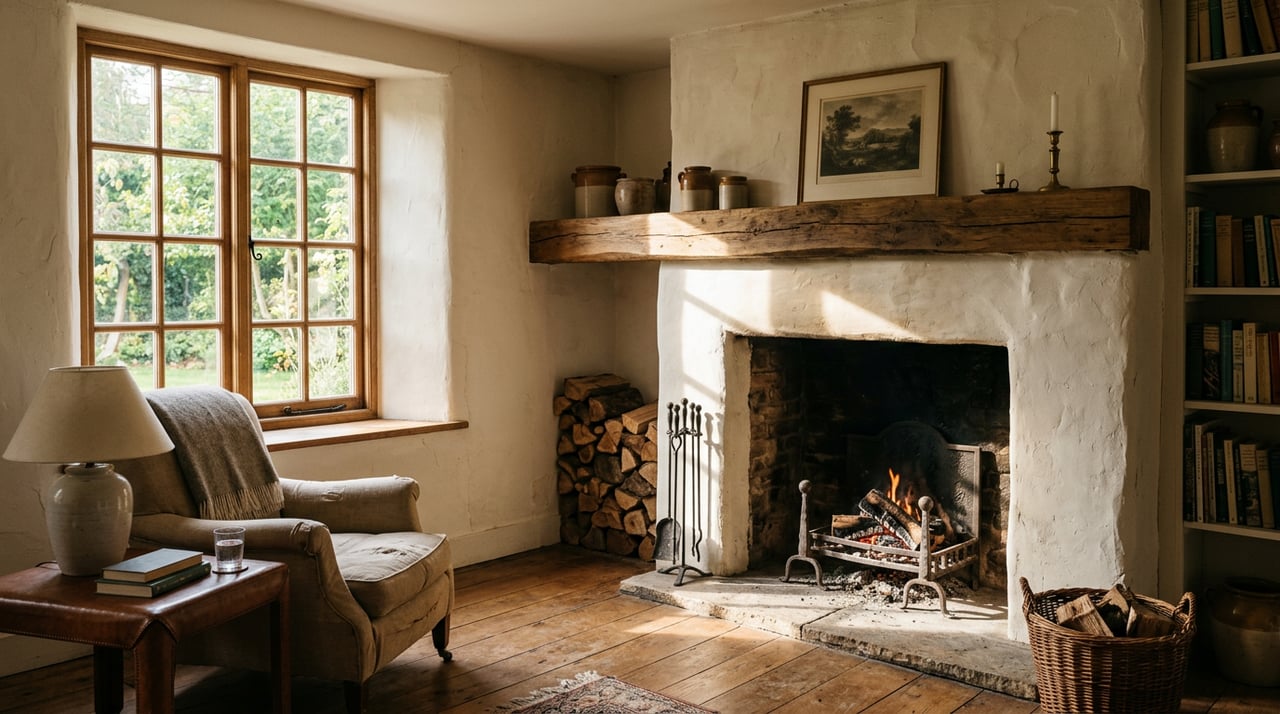
Brick fireplaces deserve their own line item. Homes built through the 1920s and 1940s often have fireplaces with deteriorated mortar joints, cracked flue tiles, or animal nesting inside the chimney, none of which is visible from the living room and all of which can be a real safety issue if the fireplace is used without a proper evaluation. A licensed chimney sweep, not a general inspector, is the right call whenever a Kern Place fireplace looks original.
Given the age and square footage typical of this neighborhood, a standard home inspection in Kern Place tends to run $375 to $550, before any specialist add-ons. That is a starting point, not the whole budget. The way to think about a Kern Place inspection is less like a single line item and more like a short list of separate systems, each old enough to need its own look:
- A standard TREC-standard home inspection covering the visible structure, roof, electrical panel, and accessible plumbing fixtures.
- A sewer scope, given the age of the neighborhood's clay and cast iron laterals and the tree canopy overhead.
- A chimney evaluation if the home has an original brick fireplace, since flue and mortar condition is not something a general inspector is equipped to certify.
- A closer look at any electrical panel serving knob-and-tube wiring, since insurability and financing can both hinge on this.
None of these are exotic requests. They are simply the specific list that a home built in Kern Place's era actually needs, as opposed to the generic checklist a newer subdivision would get.
Reading a Kern Place Listing Like Someone Who Knows the Neighborhood
Once you understand where the real risk sits, listing language starts to read differently. A description mentioning "recent updates include electrical, plumbing, refrigerated air, water heater" is doing real work: it is telling you which of the aging systems above have already been addressed. A "fully permitted luxury remodel" claim is worth confirming against the city's permit record, not because the historic overlay likely applies, but because permitted work means the electrical and plumbing updates were inspected as they happened rather than concealed behind new drywall.
The inverse is also true. A listing that leans entirely on "original hardwood floors" and "vintage charm" without mentioning any system updates is not necessarily a red flag, plenty of well-maintained originals exist here, but it is a home where you should assume the sewer lateral, the wiring, and the fireplace may still be original and in need of evaluation, and price your inspection budget accordingly.
A Few Questions We Hear Often
Does every home in Kern Place need Historic Landmark Commission approval before I renovate? No. The city's "H" overlay applies to specific designated landmarks and historic districts, not to the neighborhood as a whole. Confirm your specific address against the city's overlay map before assuming any review applies to your project.
How do I find out if my address carries the historic overlay? Contact the City of El Paso's Historic Preservation Office directly to verify whether a specific parcel is designated. This is a quick check worth doing before you write an offer contingent on renovation plans.
Is a sewer scope really necessary if the general inspection report comes back clean? Yes, for this neighborhood specifically. A standard home inspection does not include a camera run through the underground sewer lateral. Given that Kern Place's original clay and cast iron laterals have been aging for decades and sit under mature tree roots, a clean general report tells you nothing about the pipe itself.
What should I budget for inspections in Kern Place beyond the standard fee? Plan for the standard inspection in the $375 to $550 range typical for the neighborhood's home size and age, plus a sewer scope add-on in the $100 to $250 range, and a chimney evaluation if the home has an original brick fireplace.
Kern Place rewards buyers who separate the reputation from the reality. The historic-overlay worry that keeps people up at night usually does not apply to their specific address. The sewer line running under their future backyard deserves that closer look. Knowing which is which, before you are three weeks into a contract, is the difference between a smooth close and an expensive surprise.
If you are weighing a purchase or sale in Kern Place and want a read on what a specific address actually requires, from overlay status to the inspection add-ons worth ordering, the team at Longenbaugh Group can walk through it with you block by block. Get Your Instant Home Valuation to see where your Kern Place property stands today.
This article is general information, not legal, tax or financial advice. Consult a qualified professional about your situation.